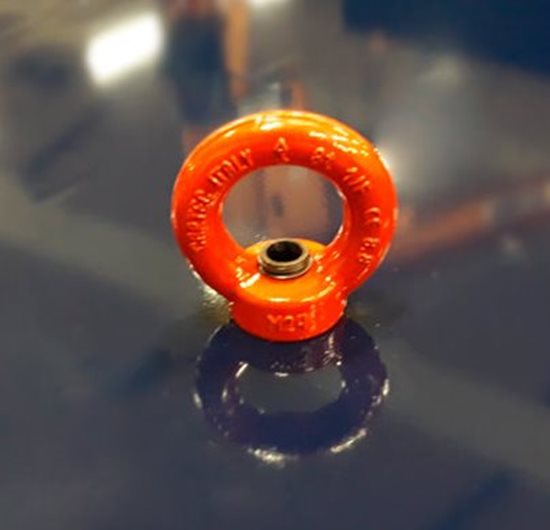
Lifting eyes

Lifting eyes

Translyft lifting eyes provide secure lifting points for the installation, transportation, and relocation of lifting tables and lifting platforms. They are designed to create reliable attachment points for chains, hooks, and lifting slings, allowing the lifting table to be safely handled by cranes, hoists, and other lifting equipment during installation and maintenance operations.

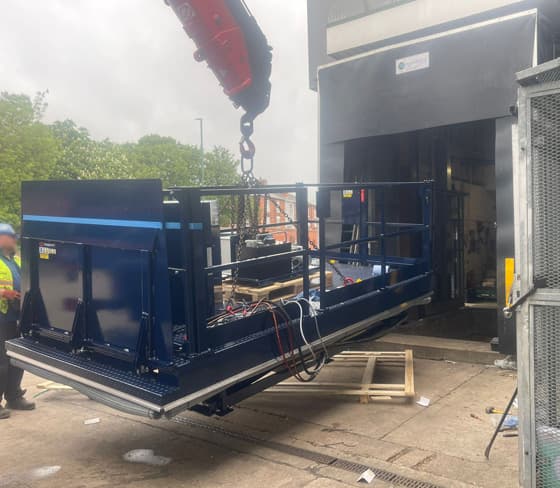
Lifting eyes are particularly valuable when a lifting table needs to be lowered into a pit, positioned inside production equipment, or relocated as part of a factory layout change. By providing designated lifting points, they help ensure that lifting forces are distributed correctly across the structure and reduce the risk of damage during handling.

For many lifting table installations, lifting eyes are considered an essential accessory because they simplify installation procedures while improving both safety and efficiency.

Technical Specification

Lifting eyes work by being screwed into the lifting table’s platform and down into the table’s supporting legs, thereby locking the entire table together.

Translyft lifting eyes are manufactured from high strength steel and are dimensioned according to the weight and configuration of the lifting table.

The lifting points are integrated into the lifting table frame and positioned to provide balanced lifting during transportation and installation. The exact number and location of lifting eyes depend on the platform dimensions, lifting capacity, and overall design of the lifting table.

The lifting eyes are designed exclusively for lifting the lifting table itself and should always be used according to the specified lifting instructions and safe working load requirements.

Advantages of Lifting Eyes
  • Safe Installation
    Lifting eyes create dedicated lifting points that allow cranes and hoists to lift the platform safely and in a controlled manner.
    This helps minimise risks during transportation, installation, and maintenance procedures.

  • Easy Handling
    Without designated lifting points, moving a lifting table can become difficult and time consuming.
    Integrated lifting eyes make it easier to attach lifting equipment quickly and securely whenever the lifting table needs to be transported or repositioned.

  • Precise Positioning
    Large lifting tables often need to be installed within confined spaces or lowered into pits.
    Lifting eyes allow operators to control the lifting process accurately and position the platform correctly during installation.
  • Protection of Equipment
    Using approved lifting points helps avoid damage to the lifting table frame, hydraulic components, and electrical systems.
    The lifting forces are applied exactly where the structure is designed to withstand them.

  • Long Term Flexibility
    Many companies modify production layouts as workflows evolve.
    By including lifting eyes during the initial manufacture, the lifting table remains easier to relocate, refurbish, or upgrade throughout its service life.
Translyft lifting eyes in use

Application and Compatibility

Typical applications include:

  • Lifting tables installed in pits
  • Goods lifts and loading bay lifts
  • Production line lifting tables
  • Custom lifting platforms
  • Lifting tables requiring future relocation
  • Export projects requiring transport and installation at multiple sites

Lifting eyes are particularly useful in facilities where production layouts are regularly modified. If a lifting table must be moved to a different department or production area, the integrated lifting points allow safe removal and reinstallation without requiring modifications to the lifting table structure.

FAQ about lifting eyes

Find answers to further questions in this FAQ.

  • What are lifting eyes used for?

    Lifting eyes provide secure attachment points for chains, hooks, and lifting slings. They are used to lift, transport, position, and install lifting tables safely using cranes or other lifting equipment.

  • Can lifting eyes be installed on an existing lifting table?

    No. A lifting table needs to be built with both the holes in the top platform and the supporting legs so that the lifting eyes can lock the two together.

  • Are lifting eyes required for pit mounted lifting tables?

    While not always mandatory, lifting eyes are strongly recommended for pit mounted installations because they simplify installation and enable accurate positioning of the lifting table within the pit.

  • Do lifting eyes affect the lifting capacity of the lifting table?

    No. The lifting eyes are designed solely for handling the lifting table itself during transportation and installation. They do not influence the operational lifting capacity of the platform.

  • How many lifting eyes are required on a lifting table?

    The number of lifting eyes depends on the size, weight, and design of the lifting table. Larger platforms typically require multiple lifting points to ensure balanced lifting and safe handling.

Installation and Relocation

Many lifting tables are installed as permanent equipment, but production requirements often change over time.

When a lifting table needs to be relocated, lifting eyes allow maintenance teams and installation contractors to lift the equipment safely without using improvised attachment methods. This reduces installation time and helps prevent structural damage that can occur when lifting equipment is attached incorrectly.

For pit mounted lifting tables, lifting eyes also simplify the initial installation process by allowing the platform to be lowered accurately into position before final alignment and commissioning.

Durability and Maintenance

In many cases the lifting eyes are only used once for installation of the lifting table and then discarded. However, lifting eyes are a standard tool to help lift many larger items. 

Under normal operating conditions they require very little maintenance. However, lifting eyes should be visually inspected during routine service and annual safety inspections to ensure that they remain free from corrosion, deformation, or mechanical damage.

If lifting eyes are used regularly as part of relocation or maintenance procedures, the attachment points should be checked before every lifting operation to verify that they remain in good condition.

Do you need help?

We are committed to finding the right solution for your needs. We advise throughout the entire process from consultancy, design and product development to production and finally service.

George Scholes
George Scholes

Tel.: +44 1527 590 725

Mail.: george@translyft.com

Marcus Thorneycroft
Marcus Thorneycroft

Tel.: +44 1527 590 727

Mail.: marcus@translyft.com

Sam Beauchamp
Don’t know who to contact?
Let us contact you